Success Stories

Success, on record.

Catalyst X Value invests in private, owner-led businesses. Names, valuations and any other identifying detail stay between us and the parties involved, which is a condition of much of the work we are trusted with.

What we set out at Catalyst X Value is the mechanism. Each of the situations below turned on one change, and in every case the capital was what made that change possible rather than what caused it.

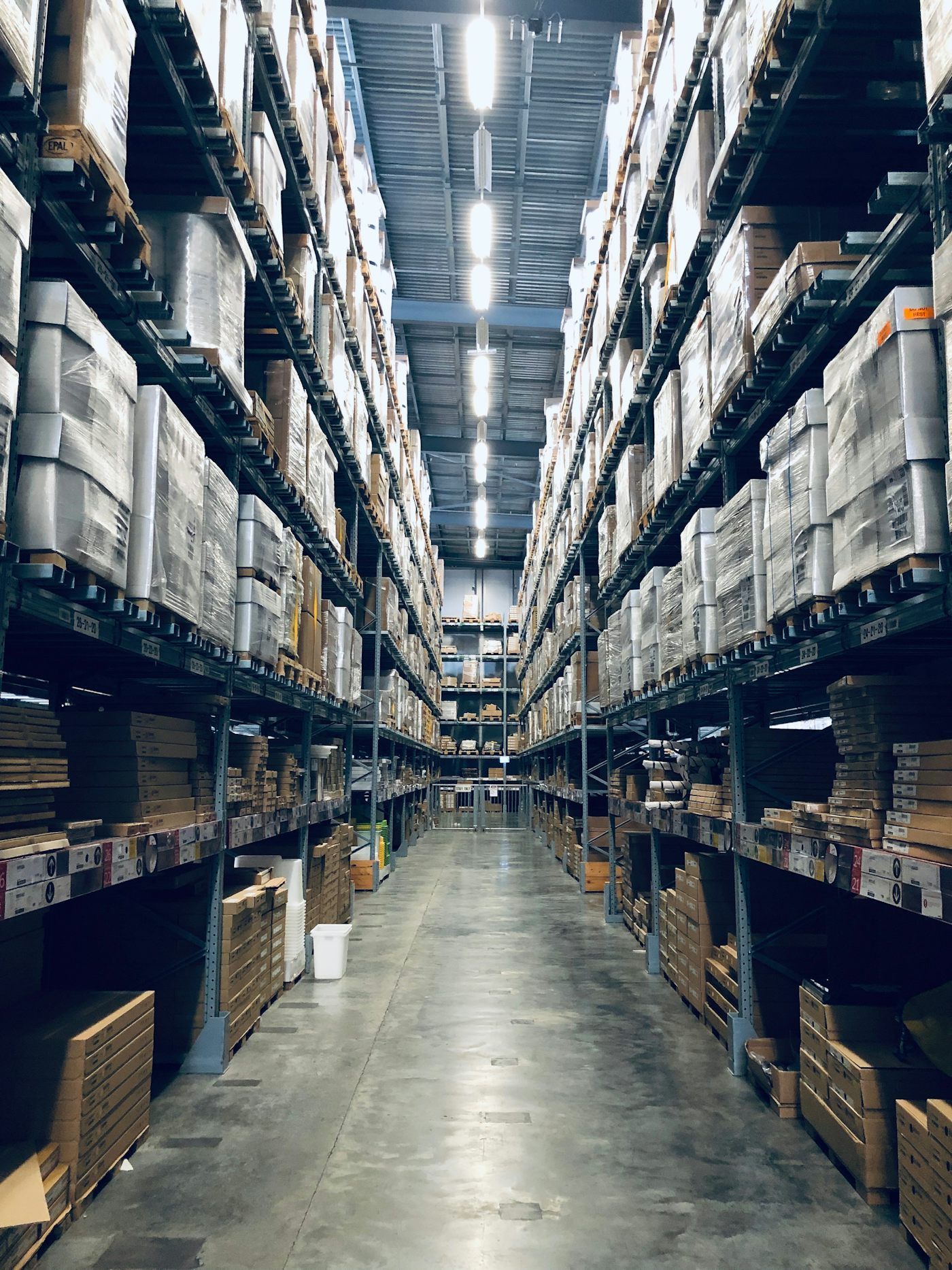
Racking inside a warehouse

Selected Situations

The Situation

A second-generation manufacturer approached retirement with no family member willing to take the company on. A strategic sale would have consolidated the plant into an acquirer's existing footprint and ended eighty jobs in a town that could not absorb the loss.

What We Found

The order book was solid and the engineering reputation was better than the financials suggested. Two problems sat underneath. Nearly half of revenue came from one customer, and pricing on the largest contract had not been revisited since 2016. There was also no management layer beneath the founder, which is what made every buyer nervous.

What Changed

We recapitalized the business and kept the entire workforce, then promoted the operations director into the chief executive seat and hired a commercial director from outside the industry. Contract repricing began within the first quarter. Capital went into two machining cells that the founder had deferred for six years.

Where It Stands

Four years on, the company has opened a second facility and revenue has roughly doubled. Customer concentration is under a quarter of the total. The founder retains a minority holding and a seat at the table.

The Situation

A physician-owned group had expanded to eleven sites on systems designed for two. Collections were slipping and the clinicians were spending their evenings on paperwork. Further growth had stalled.

What We Found

The clinical side was excellent and patient demand exceeded capacity at most locations. The constraint was administrative. Acquired practices had brought four separate record systems with them, scheduling was handled site by site and the billing function had lost most of its experienced staff.

What Changed

Our investment funded the back office rather than the expansion, which was not what the group expected to hear. A central billing operation was built and staffed properly, and every site moved onto one scheduling platform over eleven months. Only once collections had stabilized did we support further openings.

Where It Stands

The group added six locations across the following two years, and the founding physicians retained majority ownership throughout. Evening administrative hours have largely disappeared from the clinical rota.

The Situation

A profitable brand had become non-core inside a larger group and was receiving neither investment nor attention.

What We Found

Repeat purchase rates had held up through several years of neglect, which told us the product itself was not the issue. Packaging had gone untouched for most of a decade, and two regional distributor relationships had lapsed without anyone at the parent noticing.

What Changed

We acquired the brand and rebuilt the commercial team, then reinvested in packaging and re-established the lapsed distribution. The formulation was left exactly as it was. Loyal customers had not asked for a new product, and we saw no reason to give them one.

Where It Stands

The business now operates independently with its own distribution and has grown share for eight consecutive quarters.

The Situation

An equipment lender was originating more volume than it could hold. Bank facilities had tightened and the founder faced either slower growth or a sale of the platform.

What We Found

Credit performance had held through a difficult cycle and the underwriting discipline was among the better examples we have reviewed. This was a funding problem wearing the costume of a credit problem, which is why several other investors had passed on it.

What Changed

We provided capital alongside a revised funding structure and a warehouse facility that gave the business room to originate at its natural rate. One independent director joined the board at our request.

Where It Stands

Origination has more than tripled and the founding team retains control of the platform.

The Situation

Four warehouse assets came to market through an unwinding partnership, priced against a leasing environment that had already turned.

What We Found

The pricing sat comfortably below replacement cost, but the reason was visible on site. One building was forty per cent vacant, roofing capital expenditure had been deferred across the portfolio and a tenancy dispute was working its way toward litigation.

What Changed

We acquired the portfolio and settled the inherited dispute inside four months, then ran the deferred capital program before taking either building back to market. Two were re-let within the year at rents above underwriting.

Where It Stands

The assets remain in the portfolio. We have no plans to sell them.